
5) ARDUINO UNO
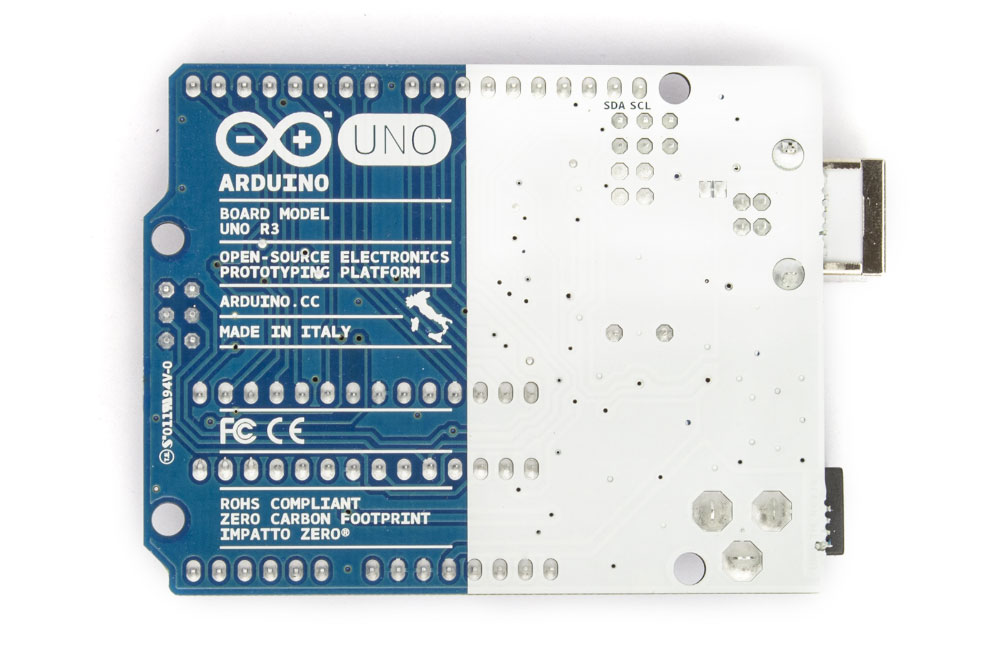
Overview
The Arduino Uno is a microcontroller board based on the ATmega328. It has 14 digital input/output pins, 6 of which can be used as PWM outputs, 6 analog inputs, a 16 MHz ceramic resonator, a USB connection, a power jack, an ICSP header, and a reset button. It contains everything needed to support the microcontroller.
"Uno" means one in Italian and is named to mark the upcoming release of Arduino 1.0. The Uno and version 1.0 will be the reference versions of Arduino, moving forward. The Uno is the latest in a series of USB Arduino boards, and the reference model for the Arduino platform.
Summary
Microcontroller: ATmega328
Operating Voltage: 5V
Input Voltage (recommended): 7-12V
Input Voltage (limits): 6-20V
Digital I/O Pins: 14 (of which 6 provide PWM output)
Analog Input Pins: 6
DC Current per I/O Pin: 40 mA
DC Current for 3.3V Pin: 50 mA
Flash Memory: 32 KB (ATmega328) of which 0.5 KB used by bootloader
SRAM: 2 KB (ATmega328)
EEPROM: 1 KB (ATmega328)
Clock Speed: 16 MHz
4) ARDUINO LEONARDO
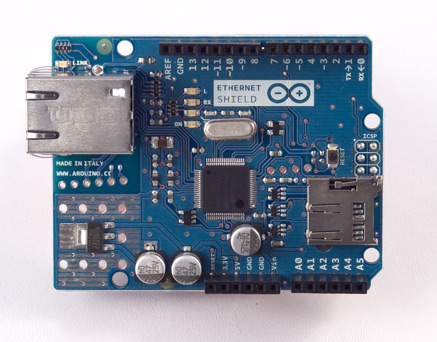
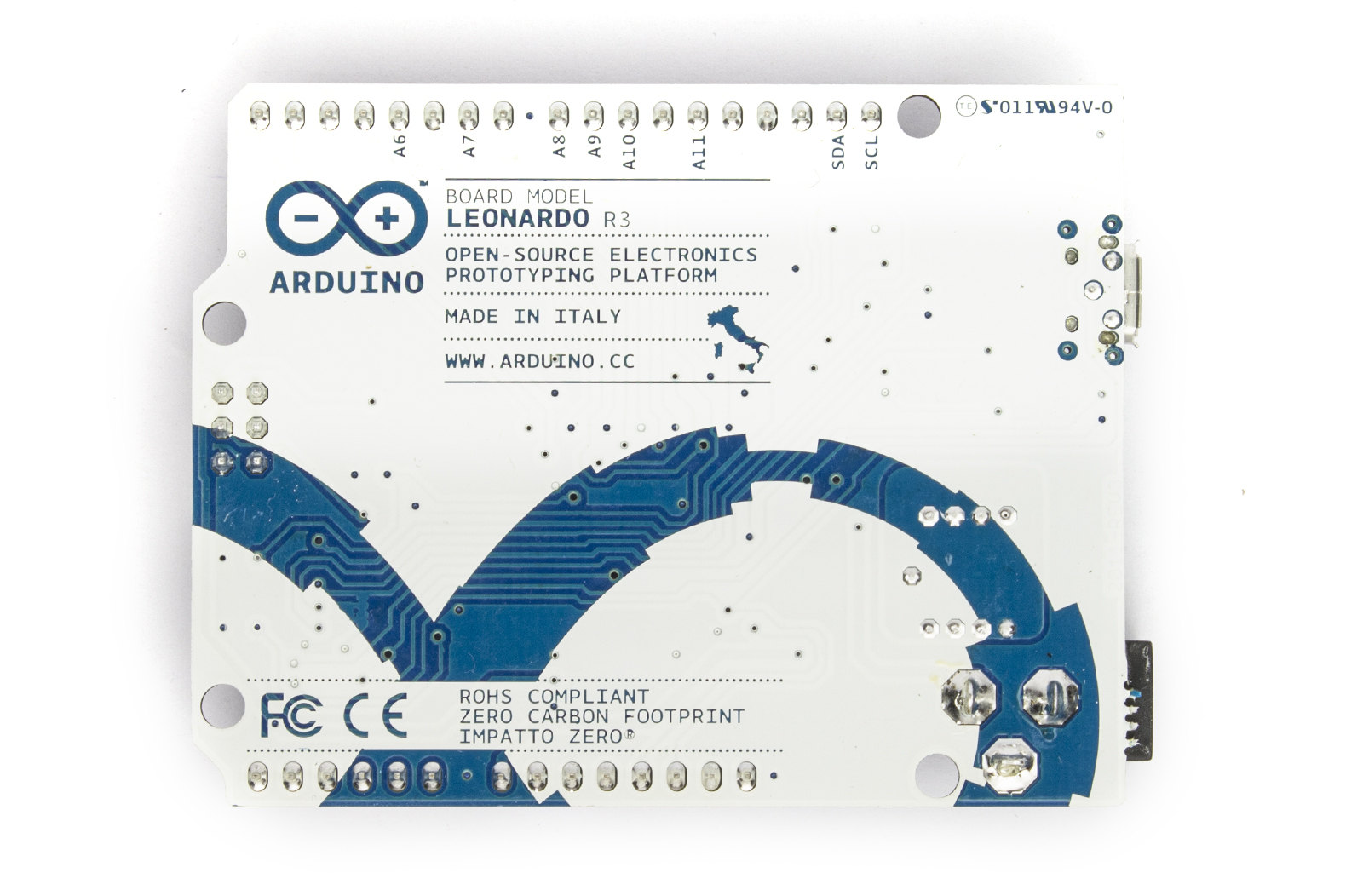
Overview
The Arduino Leonardo is a microcontroller board based on the ATmega32u4. It has 20 digital input/output pins, 7 of which can be used as PWM outputs and 12 as analog inputs, a 16 MHz crystal oscillator, a micro USB connection, a power jack, an ICSP header, and a reset button. It contains everything needed to support the microcontroller; simply connect it to a computer with a USB cable or power it with a AC-to-DC adapter or battery to get started.
The Leonardo differs from all preceding boards in that the ATmega32u4 has built-in USB communication, eliminating the need for a secondary processor. This allows the Leonardo to appear to a connected computer as a mouse and keyboard, in addition to a virtual (CDC) serial / COM port.
Summary
Microcontroller ATmega32u4
Operating Voltage 5V
Input Voltage (recommended) 7-12V
Input Voltage (limits) 6-20V
Digital I/O Pins 20
PWM Channels 7
Analog Input Channels 12
DC Current per I/O Pin 40 mA
DC Current for 3.3V Pin 50 mA
Flash Memory 32 KB (ATmega32u4) of which 4 KB used by bootloader
SRAM 2.5 KB (ATmega32u4)
EEPROM 1 KB (ATmega32u4)
Clock Speed 16 MHz
3) ARDUINO MEGA 2560


Overview
The Arduino Mega 2560 is a microcontroller board based on the ATmega2560. It has 54 digital input/output pins (of which 15 can be used as PWM outputs), 16 analog inputs, 4 UARTs (hardware serial ports), a 16 MHz crystal oscillator, a USB connection, a power jack, an ICSP header, and a reset button. It contains everything needed to support the microcontroller; simply connect it to a computer with a USB cable or power it with a AC-to-DC adapter or battery to get started. The Mega is compatible with most shields designed for the Arduino Duemilanove or Diecimila.
The Mega 2560 is an update to the Arduino Mega, which it replaces.
The Mega2560 differs from all preceding boards in that it does not use the FTDI USB-to-serial driver chip. Instead, it features the ATmega16U2 (ATmega8U2 in the revision 1 and revision 2 boards) programmed as a USB-to-serial converter.
Summary
Microcontroller ATmega2560
Operating Voltage 5V
Input Voltage (recommended) 7-12V
Input Voltage (limits) 6-20V
Digital I/O Pins 54 (of which 15 provide PWM output)
Analog Input Pins 16
DC Current per I/O Pin 40 mA
DC Current for 3.3V Pin 50 mA
Flash Memory 256 KB of which 8 KB used by bootloader
SRAM 8 KB
EEPROM 4 KB
Clock Speed 16 MHz
2) RASPBERRY Pi
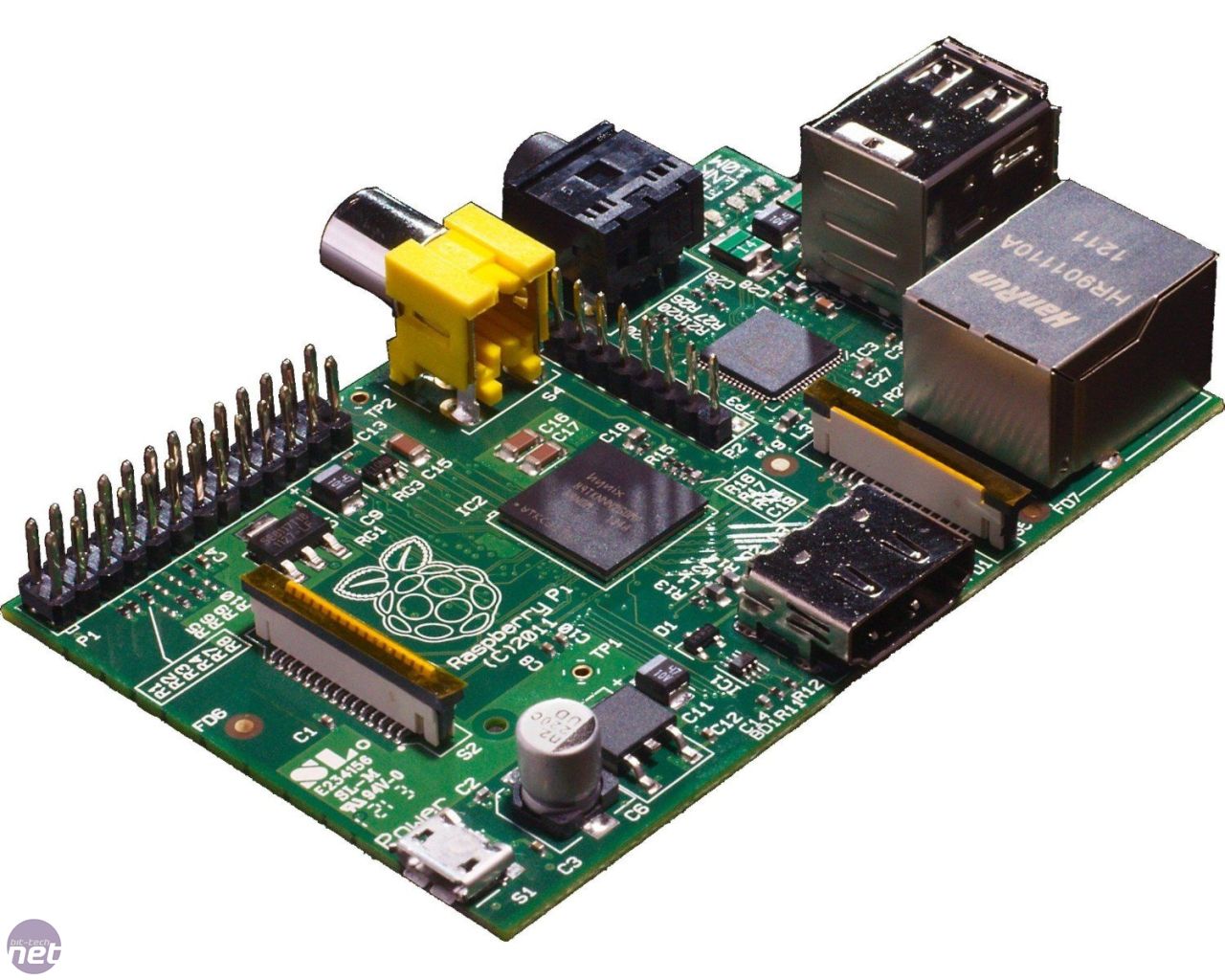
The Raspberry Pi is a credit-card sized computer that plugs into your TV and a keyboard. It can be used for many of the things that your desktop PC does, like spreadsheets, word-processing and games. It also plays high-definition video.
after numerous delays and unexpected compliance testing, the Raspberry Pi Foundation is finally shipping the first batch of highly anticipated Raspberry Pi computers. This computer-on-a-board is coveted for its low price ($35) and small size, roughly that of a deck of cards. The foundation hopes this product will get kids excited about programming.
The Raspberry Pi has a Broadcom BCM2835 system on a chip (SoC), which includes an ARM1176JZF-S 700 MHz processor, VideoCore IV GPU, and was originally shipped with 256 megabytes of RAM, later upgraded to 512 MB. It does not include a built-in hard disk or solid-state drive, but uses an SD card for booting and long-term storage. The Foundation's goal was to offer two versions, priced at US$25 and US$35.
1) UDOO board
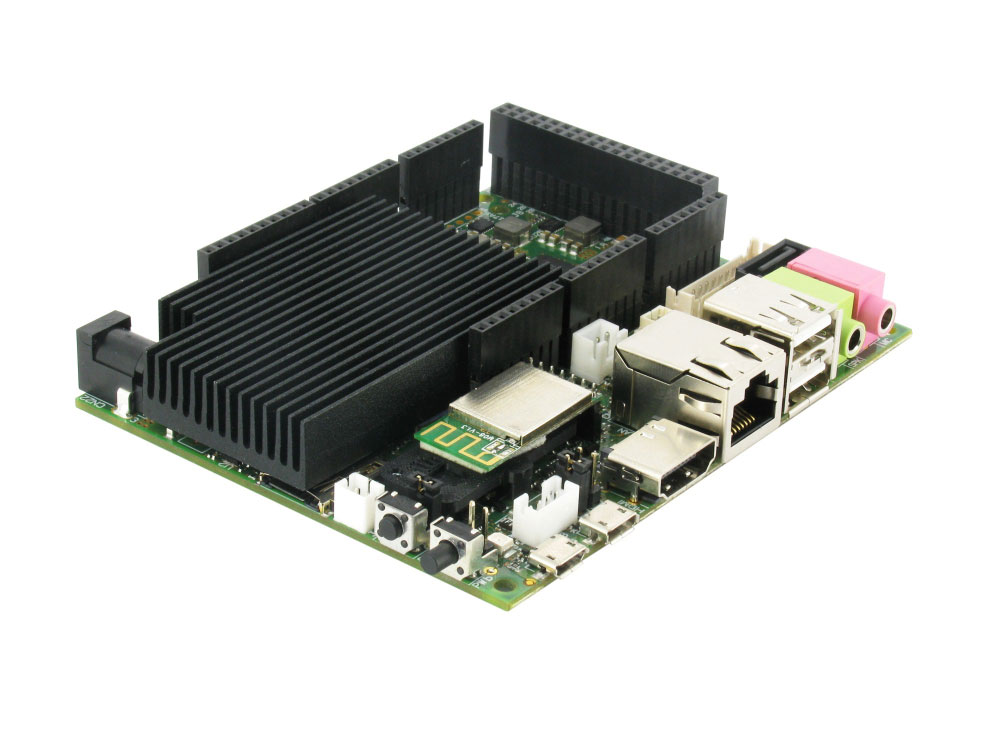
Overview
The most powerful and small developing board. UDOO is a multi development platform solution for Android, Linux, Arduino™ and Google ADK 2012. The board is designed to provide a flexible environment that allows to explore the new frontiers of the Internet of Things. UDOO allows you to switch between Linux and Android in a few seconds, simply by replacing the Micro SD card and rebooting the system.
Running Linux
UDOO is a stand alone computer itself and since is based on the Freescale i.MX 6 CPU, it runs an optimized version of Linux Ubuntu for ARM architecture, called Linaro (11.10 at the moment). Linaro environment has everything you need for programming, for example you can use the Arduino IDE to build & upload your sketches to the Arduino-compatible embedded board, without additional/external cable connections.
Running Android
Android 4.2.2 Jelly Bean runs smootly on UDOO giving you all the features of an Android device (further Android releases will be available at the time of distribution). Apps interface with Arduino-compatible embedded board through Accessory Development Kit (ADK) connection for building accessories and smart devices based on Android.
Arduino™
UDOO is compatible with all the sketches, tutorials and resources available on the Arduino community as well as all the shields, sensors and actuators for Arduino DUE available on the market.
UDOO is a very powerful board based on dual or quad core ARM cortex-A9 CPU with great performance both on Android and Linux OS, and a dedicated ARM processor for the GPIO.
Summary
• Freescale i.MX 6 ARM Cortex-A9 CPU Dual/Quad core 1GHz
• Integrated graphics, each processor provides 3 separated accelerators for 2D, OpenGL® ES2.0 3D and OpenVG™
• Atmel SAM3X8E ARM Cortex-M3 CPU (same as Arduino Due)
• RAM DDR3 1GB
• 76 fully available GPIO
• Arduino-compatible R3 1.0 pinout
• HDMI and LVDS + Touch (I2C signals)
• Ethernet RJ45 (10/100/1000 MBit)
• WiFi Module
• Mini USB and Mini USB OTG
• USB type A (x2) and USB connector (requires a specific wire)
• Analog Audio and Mic
• SATA (Only Quad-Core version)
• Camera connection
• Micro SD (boot device)
• Power Supply 12V and External Battery connector